Hızlı ve kolay bir şekilde sende web site sahibi olmak istiyorsan tek yapman gereken sitenin aşağısında bulunan iletişim formu üzerinden gerekli bilgileri girmen. Hepsi bu kadar.
Web Siteye Reklam Ver
Sende web sitemize reklam vermek veya ilan vermek istiyorsan. Tek yapman gereken sitenin en altında bulunan yere iletişim bilgilerini girmen yeterli olacaktır. Ekip arkadaşlarımız siziznle iletişime gececektir.
Web Sitemizin Yazarı Editörü OL
Sende kalemine güveniyorsan web sitemizde bir şeyler paylaşmak yazmak istiyorsan siteinin en aşağısında bulunan iletişim formunu kullanarak bizimle iletişime gecebilirisni
Tax residents of Russia, who receive a salary in Cyprus or wish to sell real estate in Cyprus will have to pay tax in both countries
By Philippe Orphanides
Over the past 20 years, Russia signed more than 50 double-tax agreements, and their terms have not changed for years. Until, that is, President Vladimir Putin’s announcement this spring in which he announced a change in the “rules of the game”.
In a letter sent to the Cypriot government in April, Moscow proposed to increase the withholding tax rate on dividends and interest paid abroad to 15 per cent from the current 5 per cent and 0 per cent, respectively. It looks a lot like a “take it or leave it”, and a no-deal would force Russia to unilaterally withdraw from the agreement with Cyprus, as it has just decided to do with Malta. The new measures will enter into force on January 1, 2021.
Cyprus is the most popular low-tax jurisdiction among Russian businesses, through which capital is transferred offshore and back to Russia. According to the Russian Central Bank, in 2019, Russia invested US $14.5 billion in Cypriot companies, and received $8.1 billion in direct investments.
This tax manoeuvre does not come as a surprise, as Moscow’s ‘deoffshorisation’ efforts to combat an eroding tax base have intensified. In June, Russian Prime Minister Mikhail Mishustin announced the government’s plans to slash social security obligations on IT companies from 14 per cent to 7.6 per cent, tax on profits from 20 per cent to 3 per cent and to remove VAT on software advertising on foreign platforms.
Such a package could convince Russian-owned IT companies to leave Cyprus, as happened with the Belarusian ones when Minsk announced new tax incentives in 2018, aiming to become the Silicon Valley of the CIS.
A few weeks later President Putin announced that 13 per cent flat income tax would increase to 15 per cent for earnings above $70,000.
Russia is cash-strapped, it has been selling larger-than-average amounts of foreign reserves over the past quarter, absorbed an oil crash and is preparing to face the worst recession it has seen in a decade, with GDP expected to fall by 6 per cent this year.
Under such pressure, everything is reassessed, from national development targets to strategic partnerships. Some deals are not a win-win anymore, and Cyprus was first in line.
The Cypriot authorities were given a deadline for their experts to submit proposals on June 15, which they missed. Cyprus needed more time, extensions were granted and two more teleconferences happened on July 2 and 10. The Cypriot authorities have not openly communicated about the substance of the talks.
According to TASS news agency, Cyprus suggested making exceptions for some groups of companies.
Representatives of the Cypriot finance ministry demanded that a number of exemptions be made for state-owned companies, companies whose securities are listed on the stock exchange, as well as legal entities supervised by investment groups. However, the Russian side considered that the proposed circle of companies was too wide.
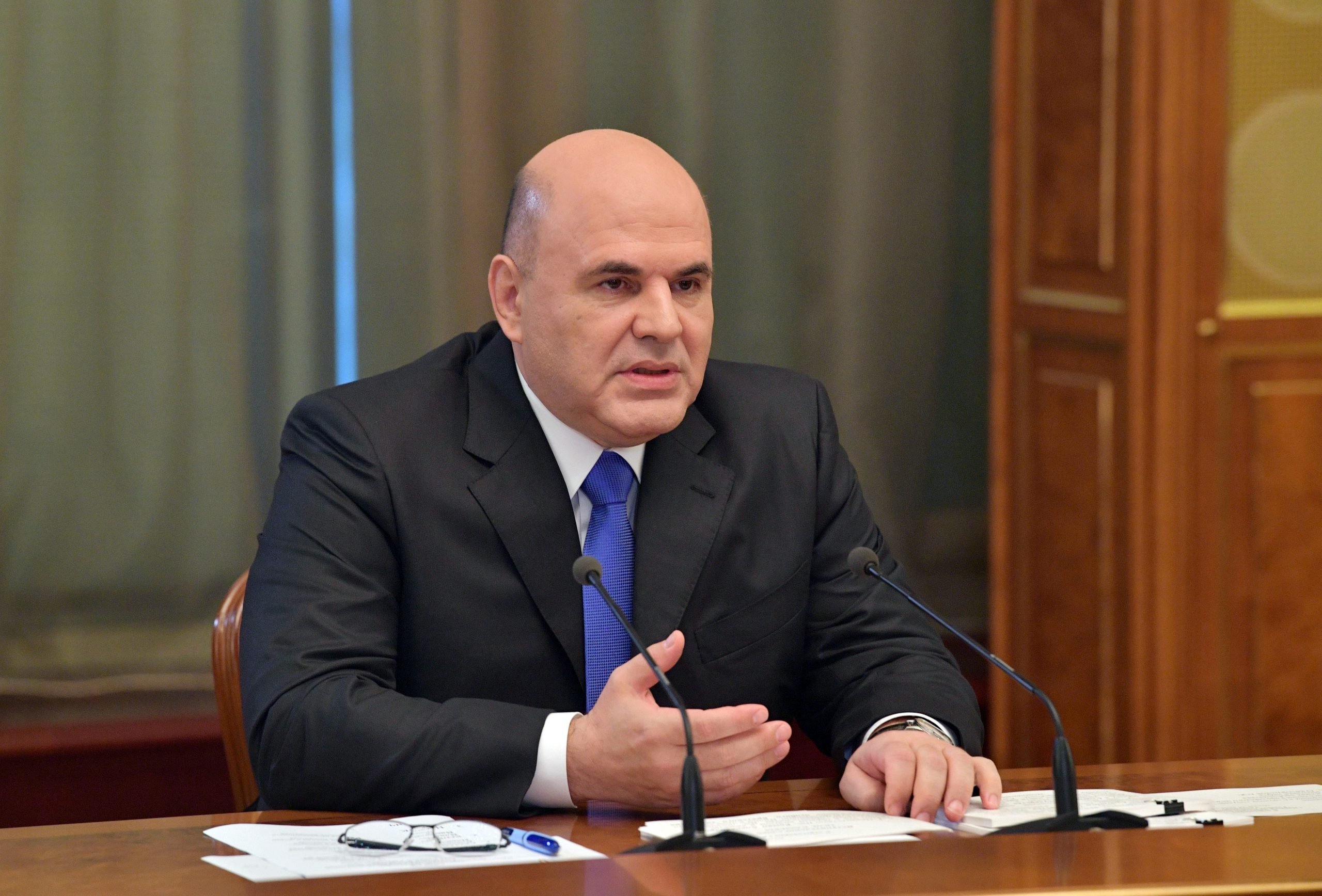
Russian Prime Minister Mikhail Mishustin
In case of a no-deal, it will become less profitable for Russians to maintain Cypriot companies. They are already under pressure by European tax authorities, added to the new measures by the Russian government.
In a comprehensive assessment of the situation, Vedomosti business daily rounded up viewpoints from the financial sector, where it appears that the impact of the new terms go beyond dividends.
KPMG Russia explains that tax on royalties paid to Cyprus will not be spared either, as they would also increase from 0 per cent to 20 per cent, a direct hit to the owners of patents and trademarks, which have been transferring royalties under licensing agreements. The costs of the transport business and vessel-leasing companies will also increase.
Russian companies that receive dividends from Cypriot subsidiaries will not be able to take advantage of a preferential zero rate (if the Russian company has owned more than 50 per cent of the Cypriot company for more than a year) and will have to pay a tax on such dividends of 13 per cent, according to PwC Russia. Also, tax residents of Russia, who receive a salary in Cyprus or wish to sell real estate in Cyprus will have to pay tax in both countries.
If negotiations come to a standstill in the coming months, Russia will be forced to denounce the agreement in the fall, a spokesman from the Russian finance ministry said, according to Vedomosti.
The Cypriot government wants a fair approach from Moscow, but not all the concerned EU countries have been notified.
In the near future, Russian businesses will be forced to look for alternative jurisdictions, such as the Netherlands or Switzerland, or transfer foreign structures to Russia, including to special administrative areas (offshore zones within Russia) established in 2018.
Either way, this would be a huge loss for the Cypriot services sector.
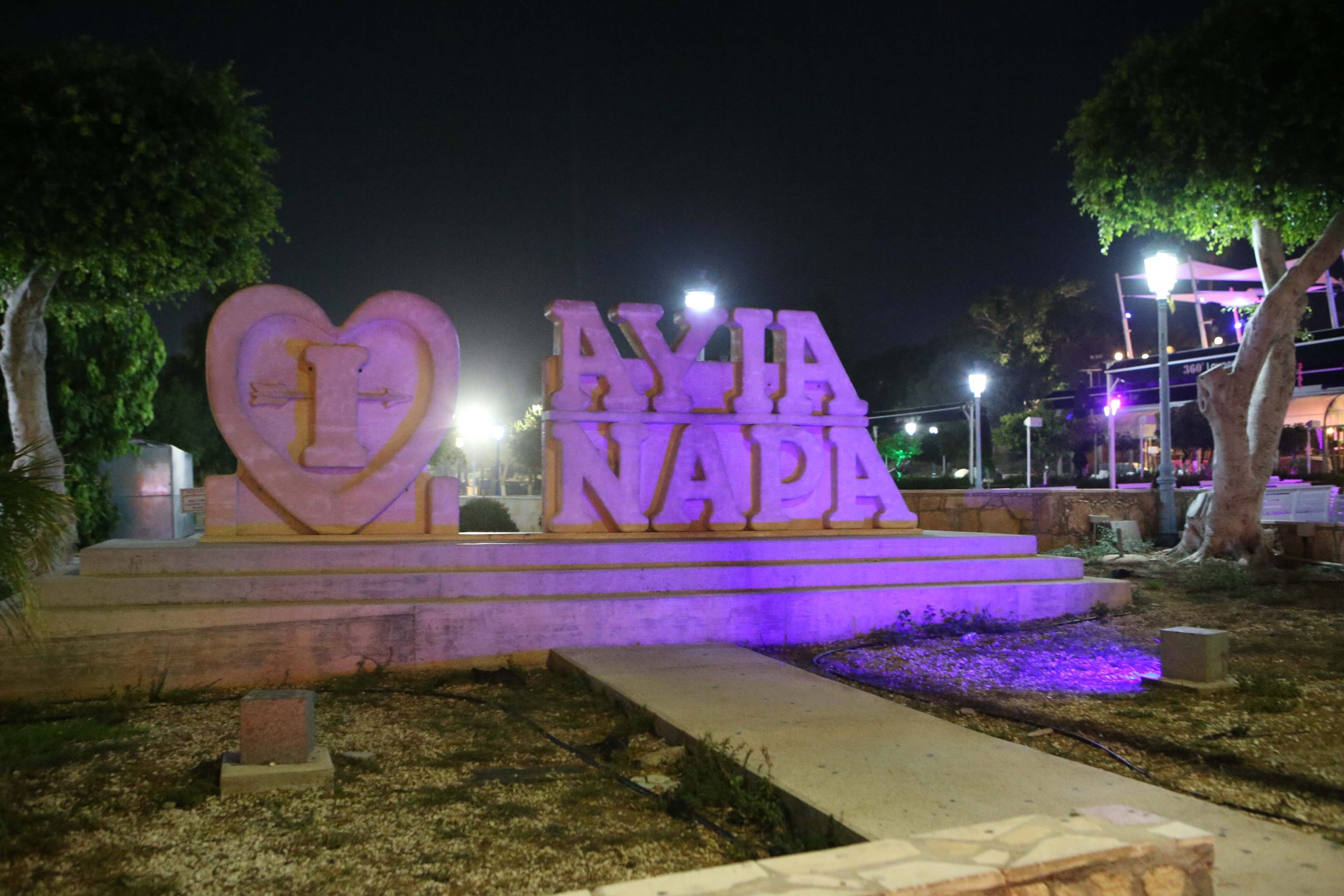
A tale of two Napas. After years of avoiding their busiest resort, Cypriots have reclaimed Ayia Napa this summer. But it’s not enough
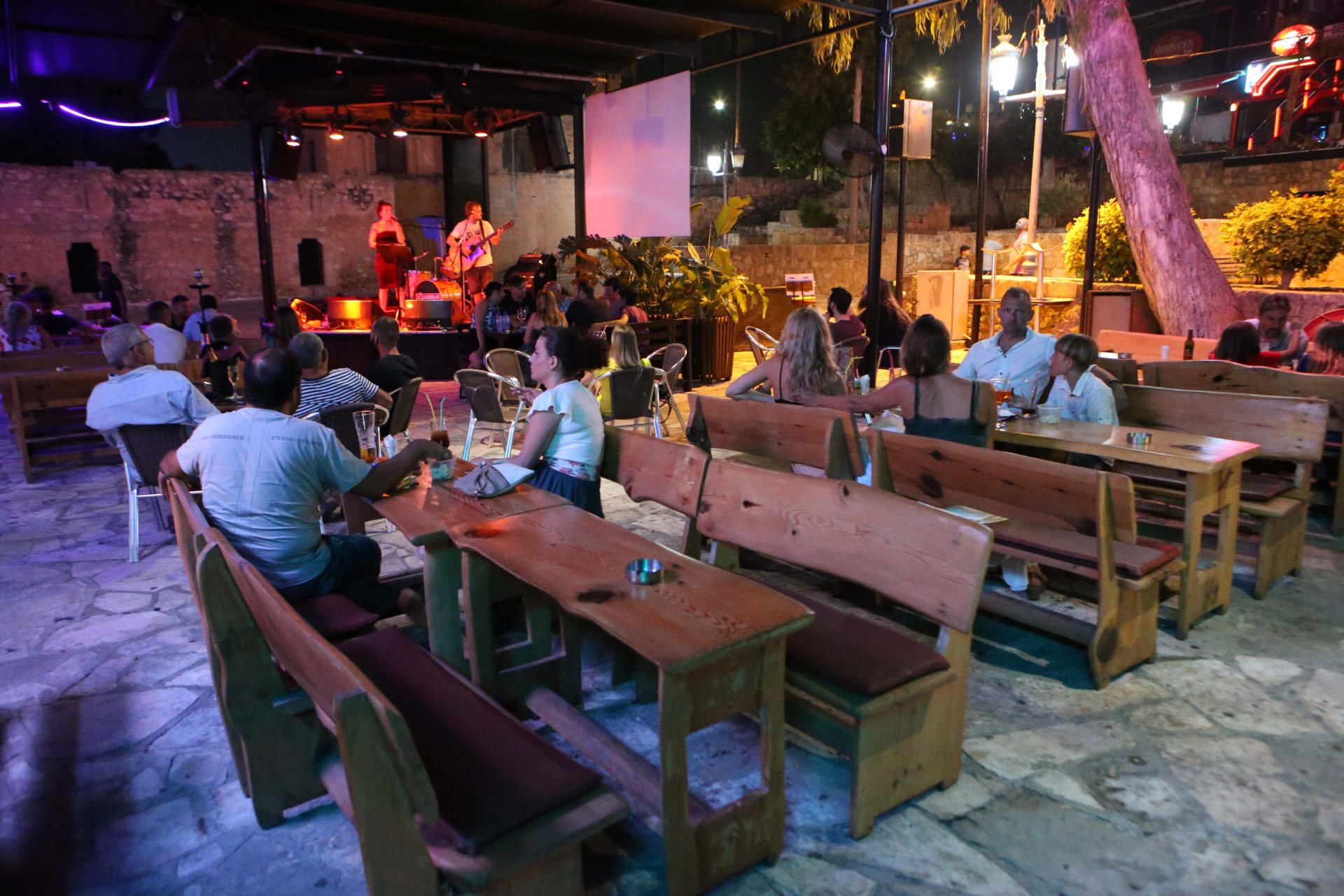
It was sundown last Saturday night in Ayia Napa and only two bars were open in the party town’s central square – but Mauro and his two friends, all Swiss nationals in their 20s, sounded like they were in paradise.
“We came to Cyprus for the first time last week for three days and had to go back for work. But it was so good we flew back to Ayia Napa two days later,” Mauro said. “We’re flight attendants and have flown all over the world – from Miami to Tokyo – but we never found anywhere so amazing. The people here are so friendly.”
The cheerful Swiss trio said the resort’s beaches were a major attraction.
“We went to four or five of them and each one was more beautiful than the one before,” Mauro told the Sunday Mail.
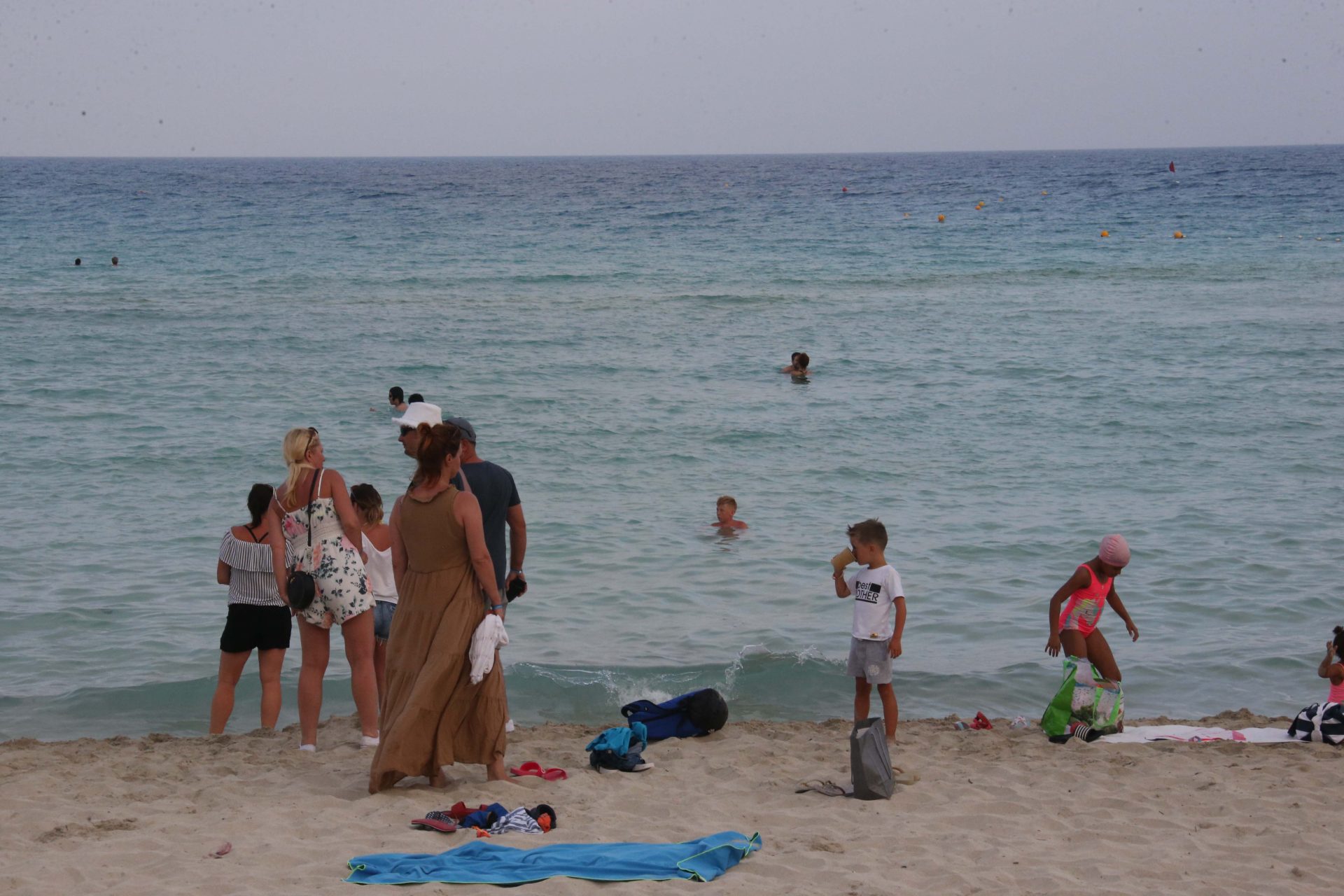
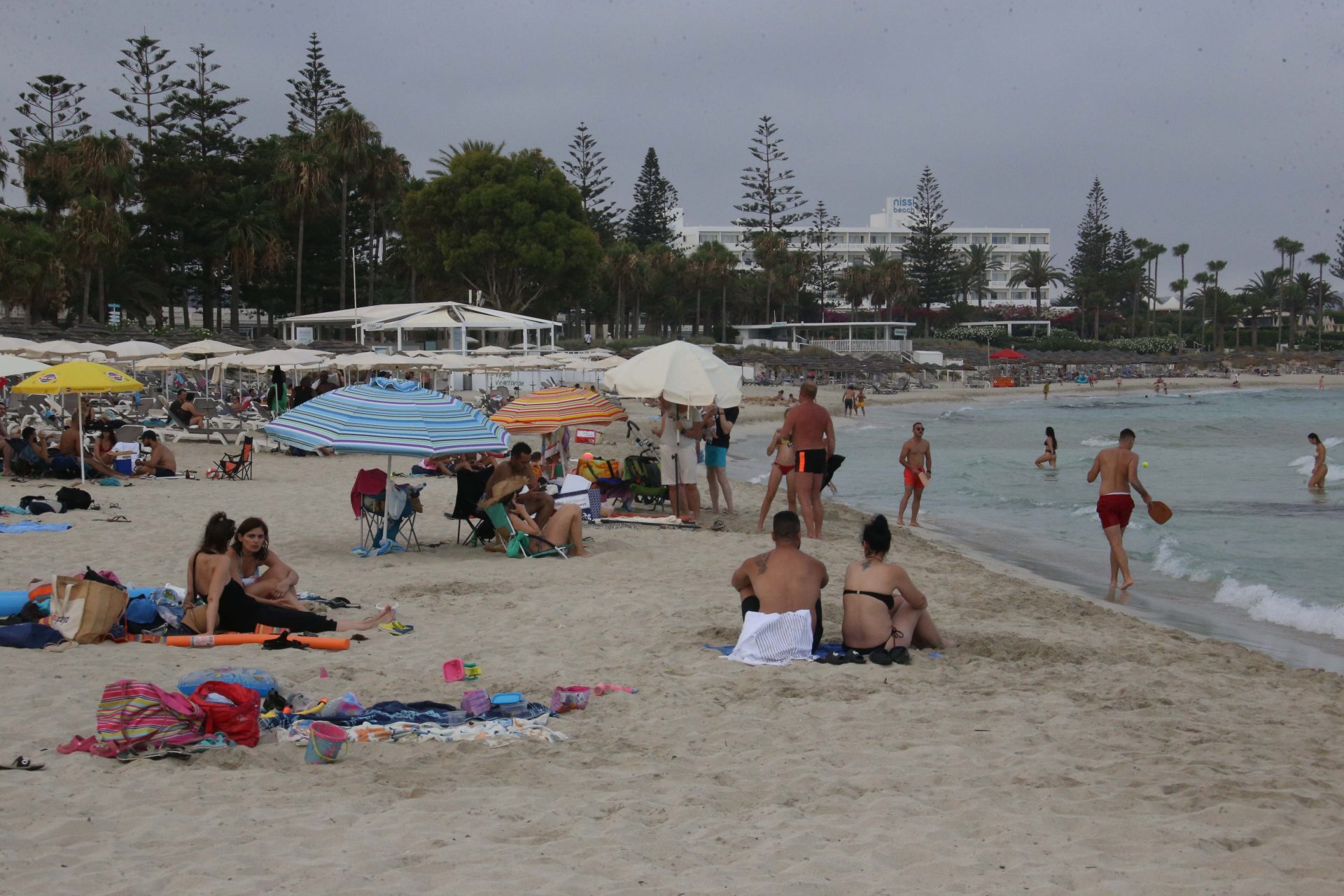
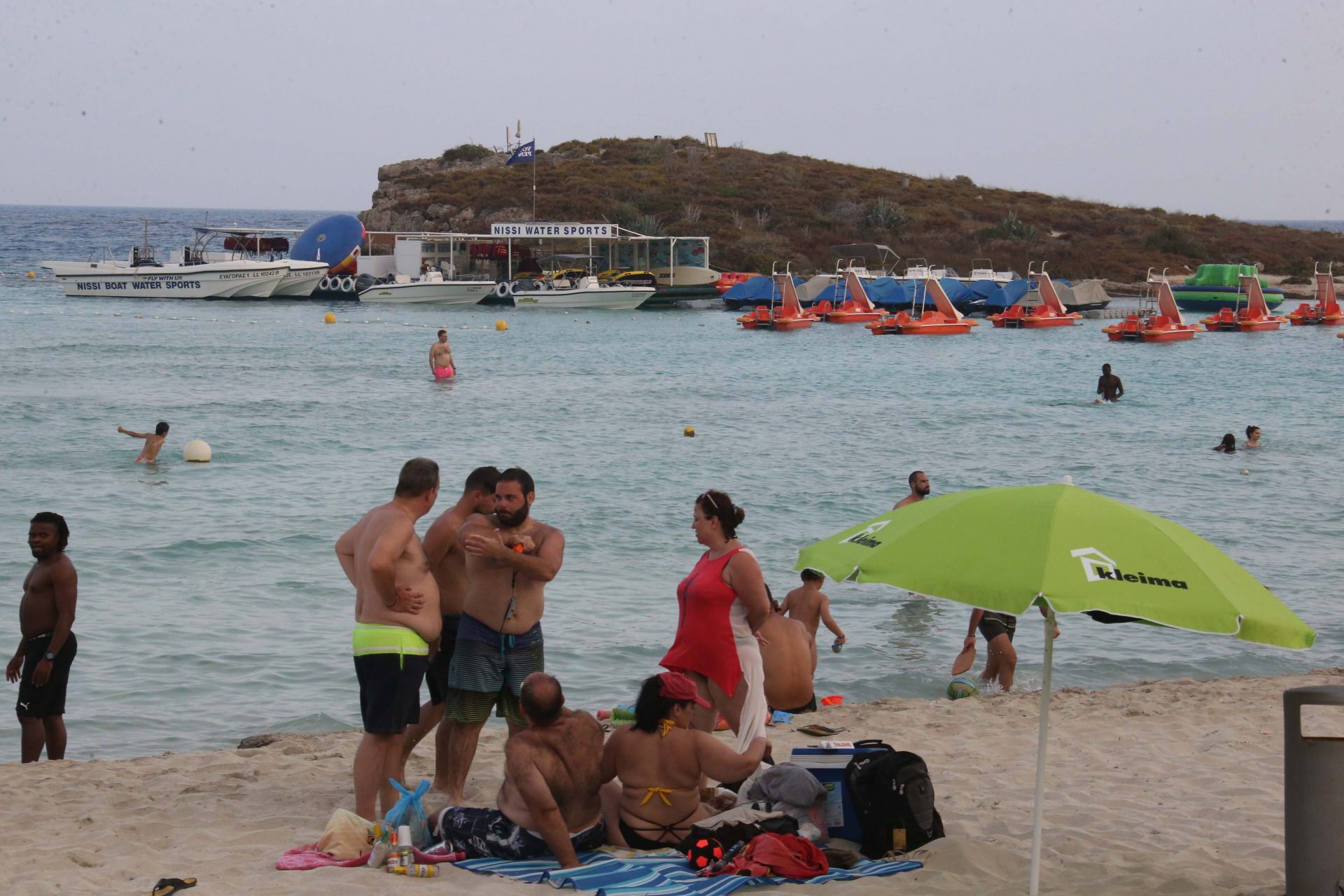
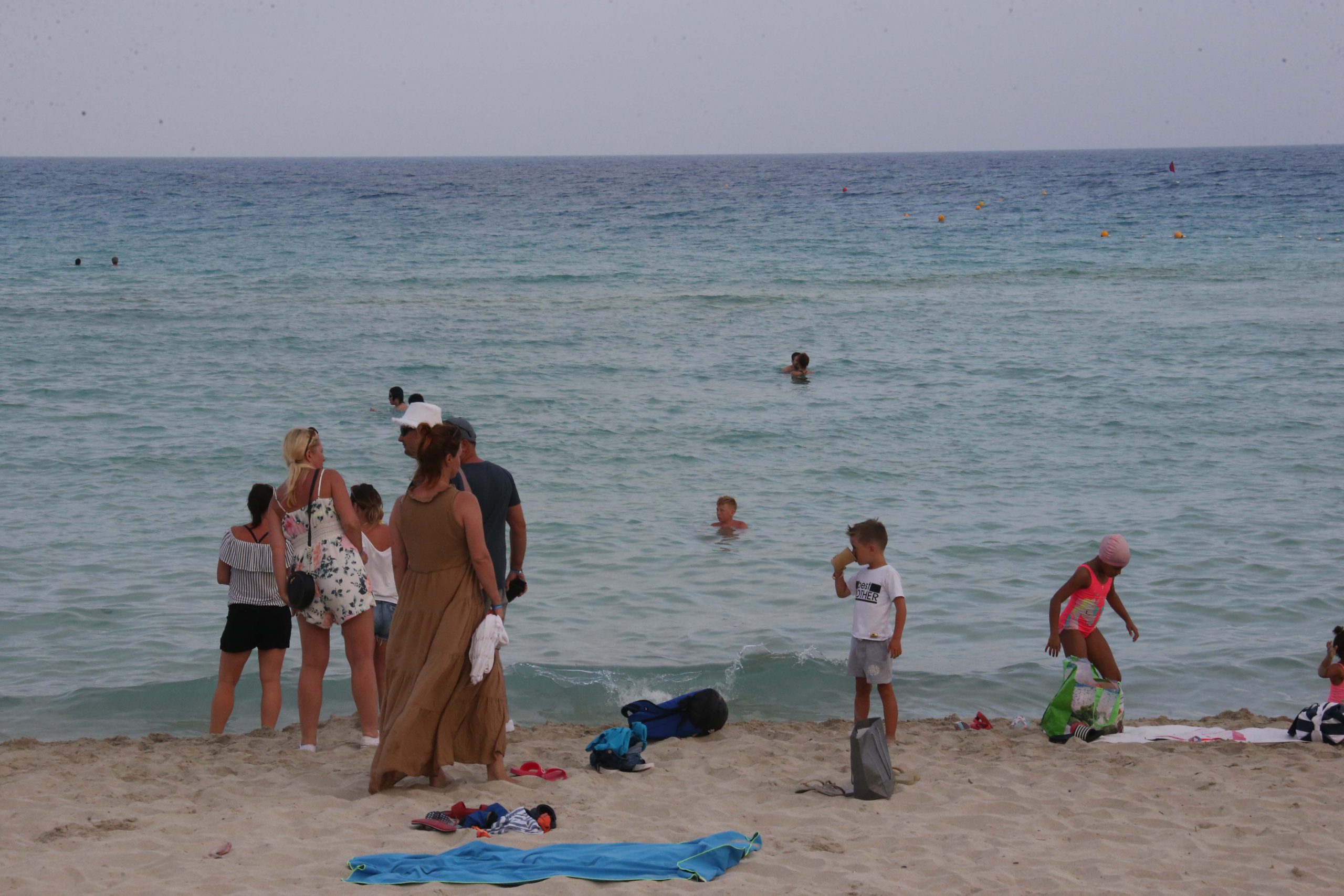
On the usually suffocatingly packed Nissi beach, meanwhile, Cypriot families, many for the first time in years, staked their claim to large open spaces along the shore, sunbathing in peace.
One such family, from Nicosia, was basking in the absence of mass-tourism.
“We hadn’t been for many, many years. Basically, since I was 18 I’ve been once or twice I think. After lockdown though I’ve come here five times,” Christos, 52, told the Sunday Mail.
This year, the year of coronavirus, it’s a tale of two Napas.
First, there is the Napa of the British and Russians, still virus stricken. That Napa is dead.
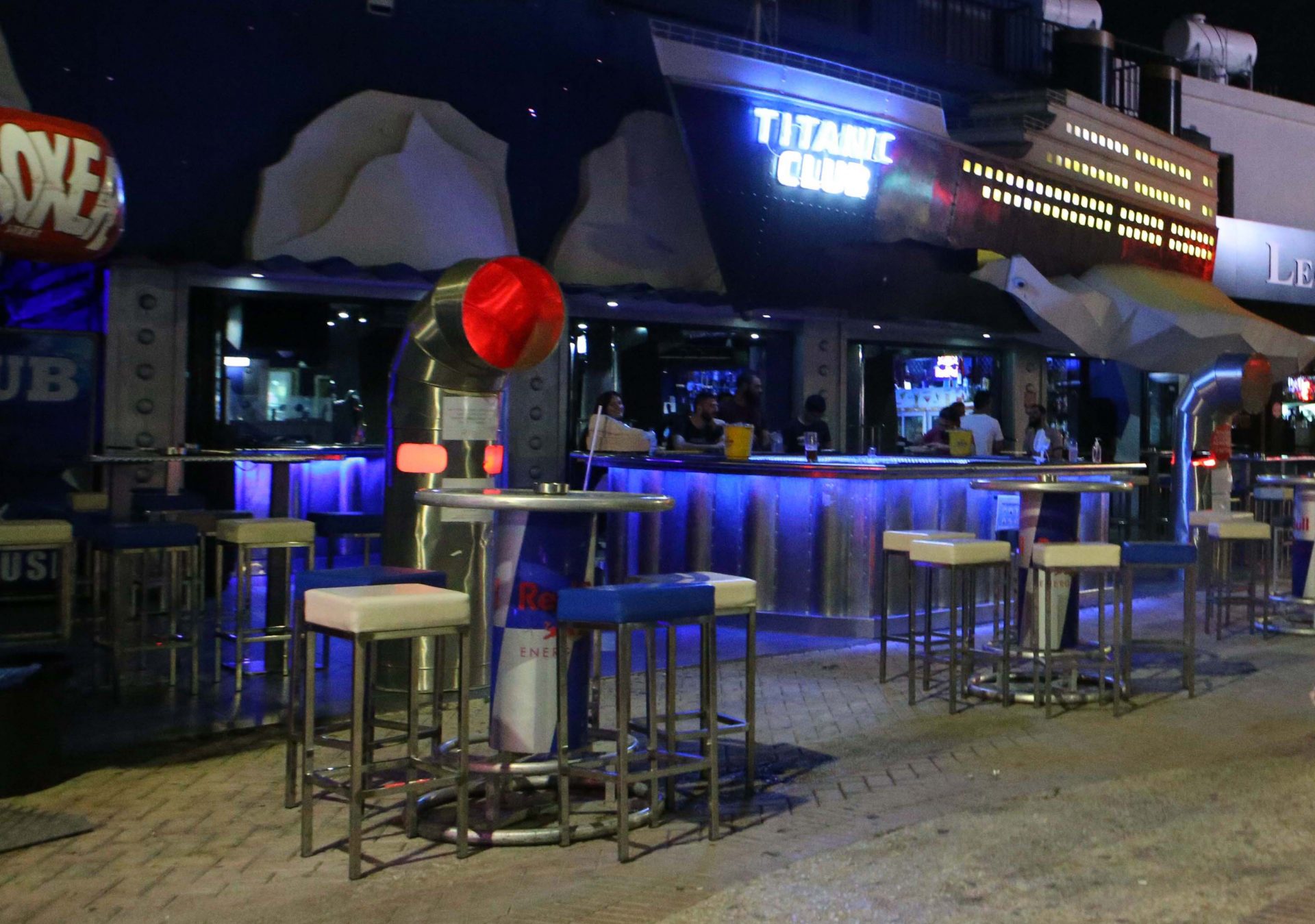
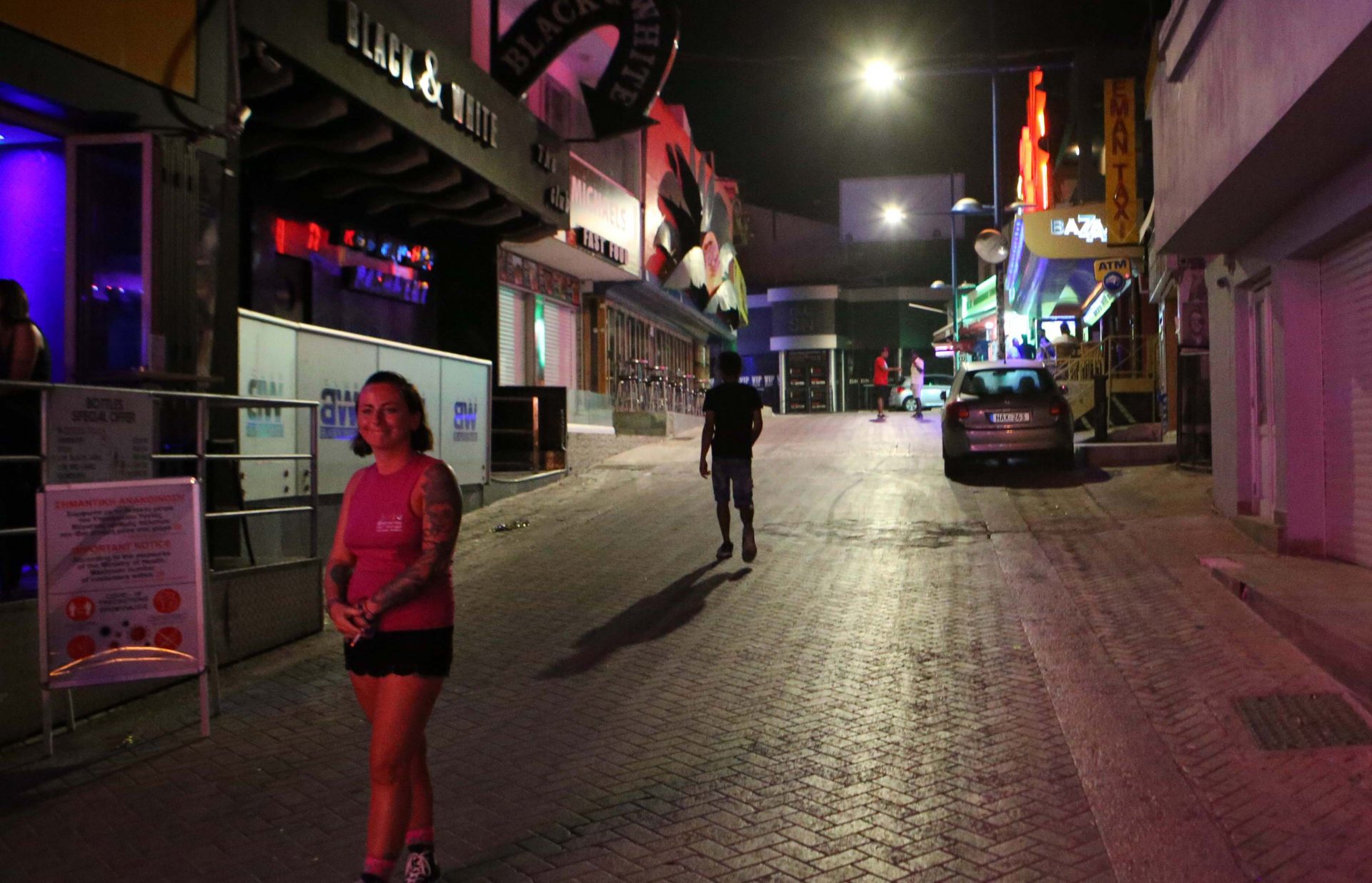
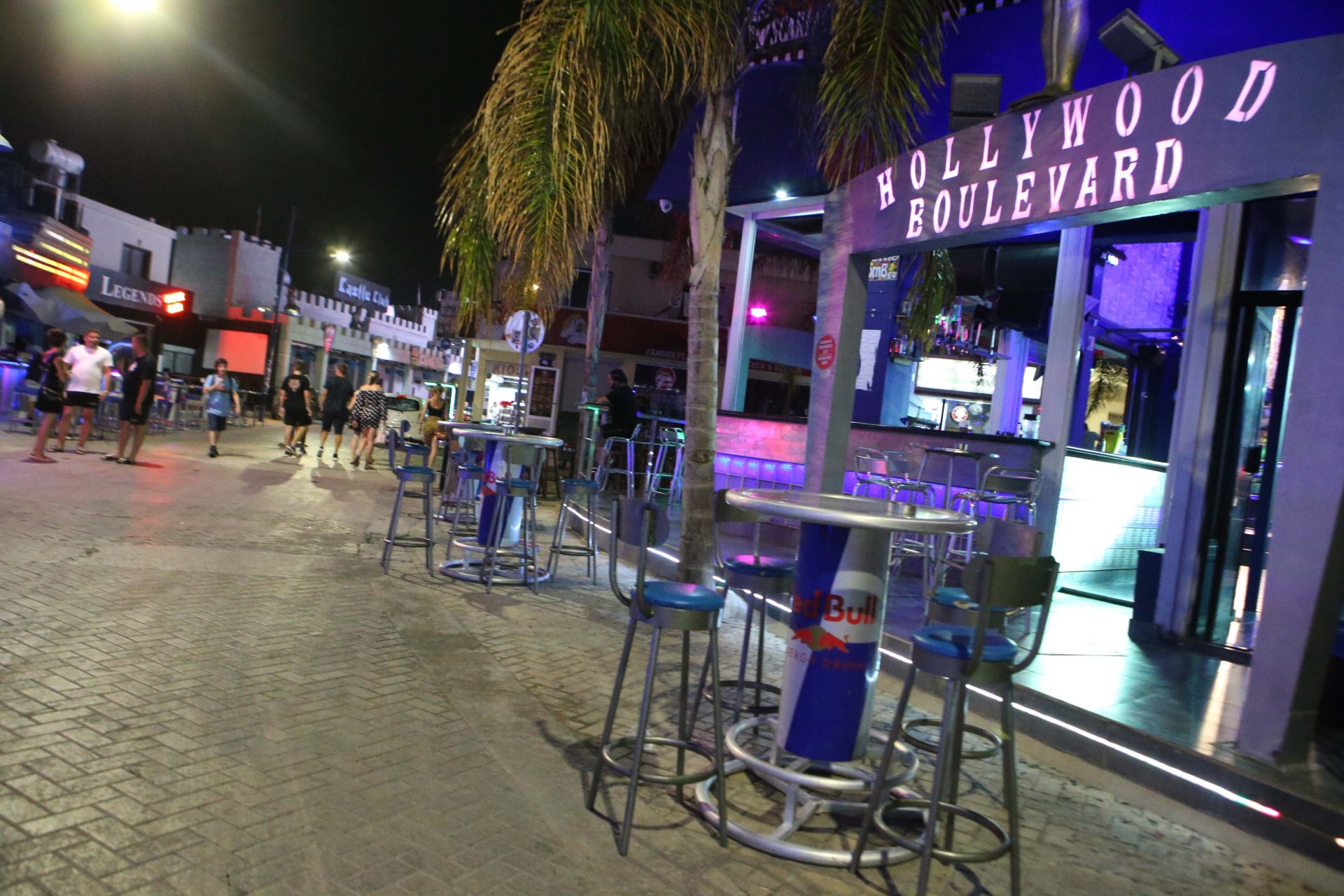
The heaving, deafening nightclubs circled around the central square, remain closed as part of the restrictive measures to stop the spread of the virus. But even if they were not closed by law, there would be little point in opening. Certainly, most of those bars which focus on special deals on drinks, their promotion women, their illegal sales of laughing gas – usually packed with young Brits – know there is no reason to open, even though they could. Street after street in this area are lined with shuttered souvenir shops, restaurants, clubs and bars.
And as for the hotels.
“It’s difficult to say exactly how many hotels are open because the situation is changing day to day, but right now about 50-55 out of 200 hotels are open,” Lakis Avramides, manager of the Ayia Napa and Protaras tourism board, told the Sunday Mail.
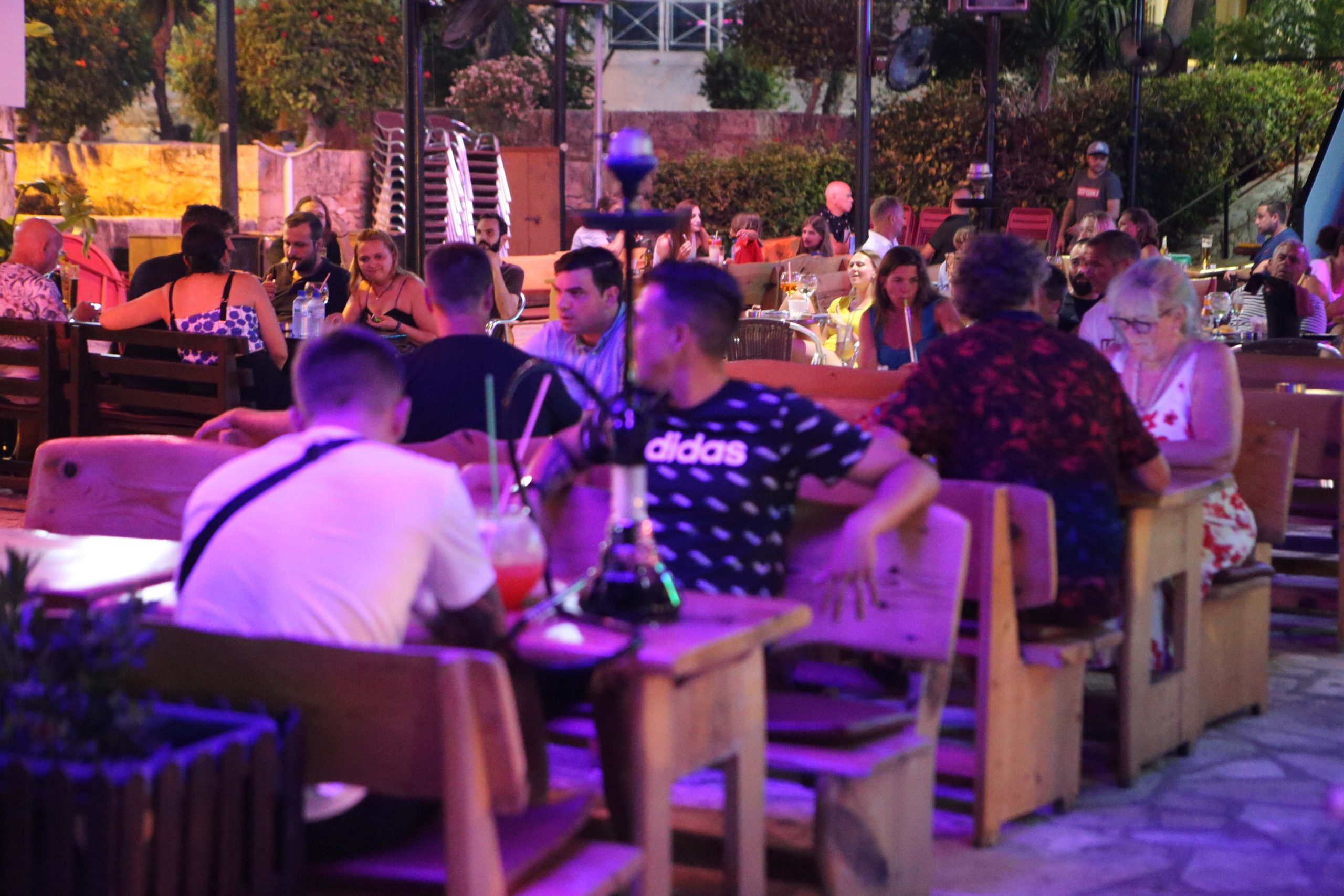
The second Napa is the Napa of the Cypriots, permanent residents and individual tourists from category A, or safe, countries. That Napa is doing well, on weekends at least. After years of avoiding it, Cypriots have reclaimed their busiest resort, lured by empty beaches and enjoying the cafes, restaurants and bars – the ones that are open – along streets now largely free of any displays of drunken British exuberance.
Last Saturday night, the Hard Rock café at the cross-roads between the square and the road to the harbour, was packed – all three storeys of it.
This Napa provides the slightest of solace to those in the hospitality industry, which is reeling from official predictions that this year’s tourist arrivals will not even reach 25 per cent of last year’s.
Hopes of a late British invasion come August 1 are not high. That is the date when the government is poised to green light flights from Britain by moving it from category C into category B, allowing visitors but only if they have a negative coronavirus test 72 hours before arrival. Big UK tour operators announced this week, however, that they would not bring travellers to Cyprus unless the UK was moved into category A, those countries which need no tests.
The most that bar owners, hoteliers and even the Orthodox priest in Ayia Napa are hoping for is a modest British incursion.
Otherwise, those in the tourism industry say, it will be a “lost summer”.
“Do I like the Brits?” said the manager of a taxi office in Ayia Napa. He paused, trying to put what he says next diplomatically, knowing that he’s speaking to an English language newspaper. “To be honest, I like their money,” he said with a smile. “I want my business to run.”
Near Ayia Napa’s famous monastery, I ran into Father Vasilios.
“All people in Cyprus, especially in Ayia Napa need the tourists to work and continue living their lives,” he said solemnly.
“It’s all a chain intricately linked together, from a simple delivery man, a waiter, cleaner, chef to the business owner or hotel owner it’s all linked, and people are interdependent.”
His mind is fixated on the ordinary people, those who need tourism back more than most.
“Do you know what it means for a whole family to be struggling without a single person working? We pray that business returns to normal. When people have children, rent and other obligations…” he trailed off.
And what does this mean for the community in Napa, I wondered.
“No, no, it’s not just the community exactly. It’s about everyone who is here – the workers from Greece, Romania, Bulgaria and everyone else, the political asylum seekers,” he said.
“We have been cooking here at the church daily to help feed the people who are out of work, it’s for everyone – not just the Cypriots but also our brothers and sisters from other countries who are here and suffering. Do you know how many tonnes of potatoes we are getting through a day?”
It was time to check in at the Nelia Gardens hotel and speak to the manager, Angelos Nicolaou, who had promised me an interview.
Nelia Gardens is nestled between the central square and the beach, just five minutes on either side.
“Within about 100 square metres there are three hotels with 650 rooms, all closed up and some not planning to open at all this summer,” he said.
He outlined two main challenges, amongst the many others, which are fuelling a “tragic situation” which has left 70 per cent of hotels closed.
“Our main markets are Britain and Russia, they account for about 80 per cent. Brits will supposedly come from August 1, but I see this as unlikely – who will go through all the hassle? And Russia isn’t even really being discussed as an option.”
He noted that the A-list, or safe countries, are not those from which Cyprus typically gains traction amongst tourists and tour operators are unlikely to link them up with the island.
Instead, most tourists are finding their destinations and accommodation through booking.com.
Deputy Tourism Minister Savvas Perdios on Wednesday said that A-list countries are improving in terms of individual tourism, noting that 2,000 Germans and 2,000 Swiss came to the country in the first week of July.
But all agreed this is a drop in the ocean.
The burning question on the lips of many is whether local tourism could make up for some of the loses.
The short answer is “no”.
“This year everything is upside down,” Nicolaou said.
“Right now 95 per cent of our customers are Cypriots whereas last July 90 per cent were foreign tourists. There are some periods in August when Cypriots account for more, but we’ve never seen anything like this.”
We were talking at a covered area near the swimming pool as young kids were being taught how to swim by their parents to squeals of delight.
On the weekends there are only about 20 rooms, out of 90, occupied. On weekdays, he said, there’s only three or four. The other hotel which the company owns, with 200 rooms, is closed entirely.
“The students really help out with the economy, now they’re all back and going to restaurants, cafes. At some of the beaches we’re even seeing an increase from Monday-Thursday compared to last year even and that’s the students that are back in Cyprus.”
But day-trippers to the beach aren’t leading to an increase in hotel bookings.
“For me, the biggest social problem which exists at the moment is the hotel workers, staff. They have stopped work since October 2019 and if the hotels which are closed don’t open they won’t go back to work until April 2021.”
Avramides from the tourism board warned that matters could get even worse unless tourism picks up and more hotels will be forced to close their doors.
Cyprus, and Ayia Napa in particular, has long been keen to decrease dependence on the British market and to attract visitors from other well-heeled countries.
Could this be the catalyst for change?
Those few bars open on the main square last Saturday were operating at about 10-20 per cent capacity.
Square bar is doing good business on the weekends, catering for a mixed crowd of Cypriots, permanent residents and some tourists (Christos Theodorides)
Only one was full, the Square Bar, and the manager Angelos had a lot on his mind.
“All these people are bullshitting when they say they depend on the Brits, that’s their own fault for focusing on only the easy option and not making an effort with the Cypriot market, a good business man will find ways around a difficult situation,” he said emphatically.
He was loud and clear above the live music.
One of the main points he repeated was that businesses in the area are used to taking advantage of British tourists, instead of building ties with possible Cypriot customers.
“Why aren’t businesses treating the Cypriots better? 160 euros a night for a hotel room? How is a Cypriot going to take his family there?”
We were standing outside the bar in the central square with a few people walking past, a far cry from scenes in previous years reminiscent of Pleasure Island from Disney’s Pinocchio.
“Look at this guy,” he said, pointing to a well-dressed man in his mid-20s.
“He’s got a bit of money. He wants to spend something with his girlfriend but why charge him 160 euros? The hotels should put them up for 50 euros a night.”
There could be internet check-in, he said, saving on staff and other costs.
“Anyway, what if the Brits were to come? The bar is already basically full. The issue for me is the coronavirus measures, not a lack of Brits. If they came, I’d just get fined. The rent is 70,000 euros [a year], I don’t need fines.”
In the last few years more upmarket restaurants, bars and shops catering to wealthier Cypriots and Russians have opened up Ayia Napa mayor Christos Zannetou told the Sunday Mail.
“Year by year we see a greater number of such businesses opening up here and Cypriots coming to Ayia Napa has helped,” he said.
But the manager of Square Bar is unconvinced that the tourism model will really change.
“The businesses here still aren’t really thinking of working with the Cypriots, they’re waiting out for the Russians and others in August or September.”
But what about all the closed hotels, bars and taxi drivers without business, surely they need the Brits?
“The bar over there can’t open because there’s no tourists, he chose to work with just the Brits but that was his choice. He wanted the quick and easy option.”
Practices have to change and businesses adapt he said.
Angelos points out that he’s not doing open bar deals this summer as there’s no market for it. He’s also investing in live performances.
In the meantime, Cypriots and permanent residents are revelling in the peace.
Nissi beach
Back on Nissi beach is a Russian family, permanent residents in Nicosia.
“It’s wonderful! We’ve been here in Cyprus for three years and it’s the best we have ever seen at the beach,” Yevgeny, 45, said.
He was crowded around by his three young daughters – all donning swimming masks and snorkel gear.
“The best!” one chirped, doing the thumbs-up.
Just one hour from Nicosia, Yevgeny explained, “and we are at this amazing beach, parking no problem and then we can go to a fantastic restaurant.”
Happy to hear the positive reaction and enthusiasm, I asked two couples sat another 10 metres further down what it all meant to them.
“We’re making the best of a bad situation. For us it’s excellent because there’s space and it’s nice compared to other years but we know what it means and why it is like this,” said Maria, 42.
“It is also incredibly sad because you know there are many people out of jobs and to see Napa basically closed means something very bad has happened,” she said.
A sobering thought – a peaceful retreat to Nissi beach for the city folk once every other weekend sounds idyllic. But who bears the cost of it all when they all go home?
“On a Saturday thankfully, there is custom but during the weekdays I would say 90 per cent of businesses are closed,” said Zannetou
“Napa is a dead place from Monday-Thursday,” said the manager of the taxi rank.
And what happens if life hasn’t gone back to normal by the summer of 2021?
“We’ll all go back to growing potatoes,” one hotelier joked.
Real prospects hinge on having main markets in category A
By Andrew Rosenbaum
Tourist arrivals in August, expected at 200,000 – one-third of August 2019 – will be well below expectations, Deputy Tourism Minister Savvas Perdios told the Cyprus Mail in an interview.
“We hope for 100,000 visitors, though it could be less,” he said. “But it is possible that the large tour operators, who are not currently booking for Cyprus because we oblige testing, will change that if the major markets they work with are placed in Category A” [for which testing is not required]. For now, we know that tour operators are not booking for August.
But Perdios pointed out that this could change.
“If the UK, Russia, Sweden and Israel are moved to Category A from mid-August onwards, it’s going to change the game. Cyprus is a country that has a proven track record.”
If tour operators do begin to book Cyprus again in mid-August, Perdios noted, the rest of the season could wind up with better-than-expected numbers of arrivals.
“In September, arrivals are traditionally the same as August. October is also traditionally very strong. We have no reason right now to write September off as a dead month.”
“The previous full-year target was for 25-30 per cent of the numbers we had last year. That was taking into consideration that July was going to be a very slow month, so that does not have to be revised. What we are re-evaluating now is only the month of August. We are not going to be revising September or October or the remainder of the year, at least not yet” the deputy minister continued.
The minister said that revised forecasts for the number of arrivals would be available from the middle to the end of next week.
Why are tour operators not booking? “They are not interested in having their customers tested and are only booking destinations where it is not obligatory. It doesn’t matter where the test is done, in Cyprus, in the home country, on the moon, they don’t want it. It also doesn’t matter if the cost of testing is zero. They don’t want it.”
Perdios said the UK is to be listed in Category B from August 1. “This has already been announced. I feel that, even with mandatory testing, individual travellers from the UK will come in substantial numbers.
“Remember that we have a large population of Cypriot expats in the UK. They traditionally come to see their families in the summer, and surely the testing (which we provide at a low cost and with rapid results) will not deter them.”
Why does Cyprus not relax testing rules further, as Spain and Greece have done?
“It’s not a competition,” Perdios insists. “We are not going to do what they have done. We believe that we have chosen the right way to go.”
In general, Cyprus is now getting the attention of individual travellers, Perdios added.
“This is not what we are used to. We always worked with tour operators. Now we are focusing on individual travellers, using digital marketing segmented by categories, by nationality, age, where people live, income, etc.”
There were two aspects to this, he continues. “We wanted to make any of the available flights to Cyprus as popular as possible. So we are marketing in places where there are flights. We are marketing in Germany, for example, in the cities where there are flights”
This has led to an increase in visits to the tourism ministry websites of 400 per cent compared with the same period in the previous year, the minister said.
“When you consider the psychology of the traveller at the moment, it’s great to see this increase of interest in Cyprus,” he adds. “And we see this as an investment for the future. The Achilles Heel of Cyprus tourism is its deep engagement with tour operators,” the deputy minister said.
“We see this as a new approach, adapted to a new age of travel. We’re targeting different nationalities than before, younger age groups, but also 50-70-year olds – a fantastic target for us and a large demographic in Europe. We are also targeting 70 plus, retirees, as well.”
Perdios favours niche marketing for special interests as another new approach. “The more niche you go into a product, the higher the expenditure. For example, someone who loves wine, and wants to discover what Cyprus has to offer, that creates a need. It doesn’t matter where they’re flying from; they just have to come.”
By targeting special niches like this, Cyprus will be able to attract tourists with a higher level of spending power.
“We are also working to upgrade tourism facilities around the country with an eye to this kind of tourist,” he added. “And we are putting serious resources into the mountain and rural areas which offer attractions for this type of tourist. All of this is not tourism for the masses and will attract a greater spend.”
Perdios is also targeting new geographies, like Eastern Europe. “We have good connectivity there, and low-cost airlines. Poland is doing particularly well but the other countries are too.”
Poland, for example, has a huge potential, Perdios said. “I like it a lot. It has a large population of young people, which is growing, and it is also a market for families, and seniors.”
But, for now, it is just starting up, as Poland was on the B list until two weeks ago. “As we’ve seen, the testing is an obstacle. But now that Poland is in Category A, we expect increasing numbers of tourists from there.“
Another new market is the Gulf. “You need to do a lot to show that market that you want them, offering halal food, separation of sexes when necessary, availability of prayer rooms – it’s a conservative market”.
Cyprus had been and will continue to target long-haul markets like the US, Japan and Korea, Perdios said. “We were on a great track with bilaterals with these markets before the crisis started.
“For them we are the new, in-style tourism destination – they don’t know us, but we can promote ourselves like that. However, we don’t have flights, so these tourists would have to combine Cyprus with Israel and Jordan, for example. We had deals in the works, but now is not the time for this kind of marketing,” Perdios said.
Obviously, he notes, the markets of northern Europe are the ones we’d most like to reach. “Last year, we had 150,000 Germans visiting Cyprus, and we’d prepared airline capacity this year for 250,000. Again, the crisis thwarted our plans; now the German market is especially cautious about travel this year.”
“Overall, the problem at this time is that people don’t want to travel to countries they haven’t been to before. There is only a small percentage, in markets like Germany or Denmark, who might be willing to try something new.”
The result is that Cyprus is paying the price for its decades-long focus on the UK and Russia, Perdios concludes.
Police on Sunday were on the hunt for the culprits behind the attempted murder in Paphos, where a 46-year-old went to the hospital for stab wounds.
The man underwent surgery on Saturday after a friend drove him to the hospital. He had been stabbed two days earlier but his wounds gradually got worse.
Police said officers immediately went to the hospital to speak to the 46-year-old as soon as they were alerted of what happened.
According to his description, he had been walking on Apostolos Pavlou avenue in Kato Paphos on Wednesday and flagged down a car to stop and asked for a ride. The vehicle that pulled over was dark and the 46-year-old could not remember the number plates.
The passenger in the vehicle stepped out to speak to the man, and the 46-year-old asked for a ride to the city centre. The passenger asked for money which the 46-year-old refused to give and apparently a discussion ensued which resulted in the passenger stabbing him and driving off.
According to his statements, the 46-year-old continued walking and went home. He did not go to the hospital because he believed his injuries were not that serious.
Two days later his friend took him to the hospital.
The man had injuries to his abdomen, bruising on his arm and face, perforation to his small intestine and renal failure.
He underwent surgery and was held at the ICU as his condition was deemed critical.
Both the passenger and driver of the vehicle have been described as around 1.80m tall, around 35-years-old, with short hair and possibly Bulgarian background.
The 46-year-old is a permanent resident on the island.
U.S. deaths from the novel coronavirus are near 140,000 as cases continued to rise in 43 out of 50 states over the past two weeks, according to a Reuters tally.
Since late June, the United States has seen a resurgence in new cases and now, six weeks later, deaths have also begun rising, according to a weekly Reuters analysis of state and county data.
America is losing about 5,000 people to the virus every week. By contrast, neighboring Canada has reported total deaths of 8,800 since the pandemic started.
In just one week, the United States records about as many deaths as the 5,600 lives Sweden has lost since the pandemic began earlier this year.
In the hardest-hit U.S. counties, officials are running out of places to store bodies as their morgues fill up.
Arizona’s Maricopa County, home to the state’s largest city, Phoenix, is bringing in 14 coolers to hold up to 280 bodies and more than double morgue capacity ahead of an expected surge in coronavirus fatalities, officials said on Thursday.
In Texas, the city of San Antonio and Bexar County have acquired five refrigerated trailers to store up to 180 bodies.
The appearance of such mobile morgues has fed the sense in some Southern states that the pandemic appears to be spinning out of control.
Cyprus is considering buying US arms to enhance the National Guard’s capability within the framework of USA-Cyprus joint committee seeking ways to further boost relations between the two countries.
This is what new Defence Minister Charalambos Petrides told Sunday’s Phileleftheros in his first interview since taking office last month.
“Our policy is to make best use of advanced defence industry technology of countries that we maintain friendly relations with,” he said.
“Defence sector relations between the two countries are getting stronger and stronger and this is our goal,” he added.
Last month, Nicosia welcomed a landmark decision by the United States to include Cyprus in its International Military Education and Training (IMET) programme for the first time.
Under the programme, the US will provide military education and training funding to Cyprus to enhance relationships with key regional partners to promote stability in the Eastern Mediterranean.
The decision angered NATO ally Turkey, which warned of destabilisation.
The US Congress last year ended a decades-long arms embargo on the island, whose northern third is occupied by Turkey since a 1974 invasion.
IMET training is scheduled to begin in October, the month marking the 2021 academic year of the US.
The Minister explained that $500,000 has been earmarked for the Republic of Cyprus for fiscal year 2021 and $750,000 for fiscal year 2022.
He also said training likely to be offered to the National Guard concerns leadership development, cyber defence and maritime security.
Referring to the island’s defence cooperation with Greece, France and Italy aiming for the wider stability and security in the region, Petrides said Nicosia invests a lot in boosting defence diplomacy cooperation.
Sorry! The content you were looking for does not exist or changed its url.
Please check if the url is written correctly or try using our search form.
Bigger Archive Portal
Other portals
World War I , Africa ,United States of America ,Anime and manga ,Ankara ,Anthropology ,Military • Astronomy • Asia • European Union • Azerbaijan • Azerbaijan (Iran) • BBC • Beşiktaş • Science • History of science • Biography • Byzantine Empire • Bosnia -Herzegovina • Jazz • Sexuality • Geography • China • Language • Religion • Literature • Energy • Armenia • Eurovision • Evolutionary biology • Philosophy • Feminism • Fenerbahçe • Palestine • Physics • France • Football • Galatasaray • South Korea • Georgia • Harry Potter • Aviation • Hinduism • Christianity • Iraq • England • Human rights • Internet • Iran • Islam • Istanbul • Scouting • Izmir • Japan • Kazakhstan • Cyprus • Kuwait • North Korea • North Macedonia • Culture • Lady Gaga • LGBT • Liberalism • Madonna • Mathematics • Media • Mexico • Michael Jackson • Mustafa Kemal Atatürk • Music • Middle East • Middle World • Ottoman Empire • Automobile • Free software • Pakistan • Psychology • Russia • Art • The Simpsons • Cinema • Politics • Socialism • Soviet Union • Sports • Syria • History • Technology • Television • Terrorism •Medicine • Theater • Society • Turkish Armed Forces • Turkish history • Turkey • Video games • Judaism • Stargate







 Kayıtlar


